Reviewing Layers of Utah Embroidery Files for Merch
As an embroidery designer who has spent years digitizing logos and testing files for small business clients, I approach every new digital embroidery file with a critical eye. It is not enough for a design to look pretty on a screen; it must perform under the needle, survive the wash cycle, and elevate the brand it represents. Recently, I evaluated the Layers of Utah Embroidery Files to determine its viability for commercial use. This review focuses on how this asset functions within the context of North America’s thriving handmade and boutique market.
First Impressions: Visual Personality and Appeal
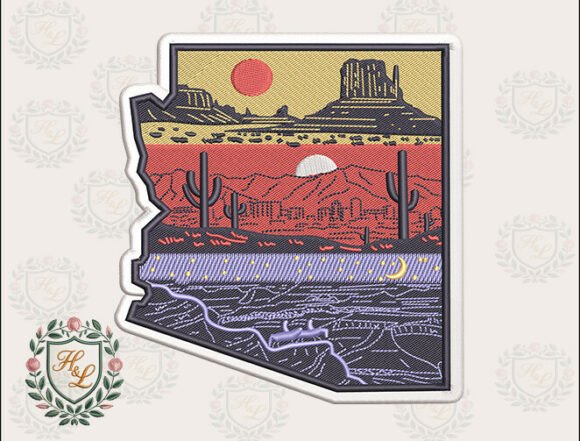
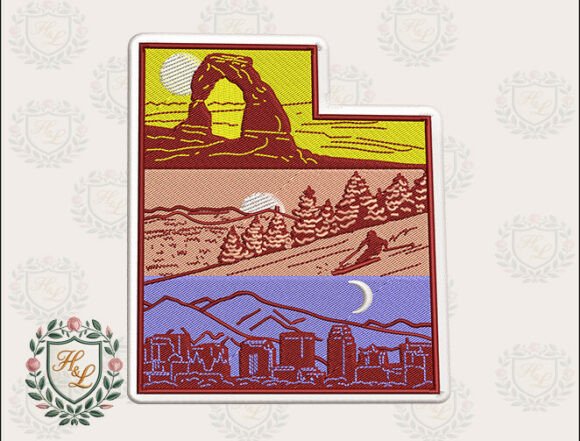
The title itself suggests depth and regional pride. When reviewing the preview materials for Layers of Utah Embroidery Files, the immediate impression is one of rustic elegance mixed with modern simplicity. The description highlights that these are high-quality digital appliqué designs. Appliqué is a fantastic choice for business merchandise because it reduces stitch count while maximizing visual impact. This design feels professional yet approachable, striking a balance between bold statement pieces and subtle branding accents.
For brands operating in the outdoor, lifestyle, or local artisan sectors, this aesthetic is invaluable. It does not scream for attention but rather invites closer inspection. The layering effect implies texture and dimension, which translates beautifully into thread work. Whether you are aiming for a premium feel or a friendly, community-focused vibe, this design asset offers the versatility needed for diverse product lines.
Real-World Application for Small Business Merch
The true test of any machine embroidery design is its application across various substrates. I analyzed how Layers of Utah Embroidery Files would perform on common small business products.
- Embroidered Patches: This is perhaps the strongest use case. The layered nature of the design works exceptionally well for iron-on or sew-on patches. A patch allows customers to buy a piece of your brand identity without committing to a full garment. It serves as a collectible item for fans of local North America landscapes or specific brand aesthetics.
- Custom Apparel and Uniforms: For café staff or boutique employees, placing this design on the left chest of a polo or work shirt creates a unified look. The appliqué technique ensures the logo remains breathable and lightweight, which is crucial for staff comfort during long shifts.
- Tote Bag Design: Canvas totes are a staple for eco-friendly brands. The sturdy fabric of a tote bag supports the structure of an appliqué perfectly. Using Layers of Utah Embroidery Files here turns a simple bag into a walking advertisement, enhancing brand identity with every use.
- Apron Embroidery: Bakeries, florists, and craft studios often sell branded aprons. This design adds a touch of professionalism to kitchen wear, making the finished product feel like a high-end retail item rather than a generic uniform.
Technical Considerations and Placement Strategy
While the design is versatile, there are areas where caution is required. As a designer, I always advise checking the specific technical details before production. Since the product description mentions it is perfect for shirts, tote bags, and pillows, we can infer a moderate scale. However, you must verify the recommended hoop size and stitch density.
When using this design on curved surfaces like cap embroidery, be mindful of the distortion. Caps have limited space and a curved front panel. If the layers are too wide, they may wrap around the sides uncomfortably. I recommend creating a printable mockup to visualize the placement before stitching. Additionally, ensure that any fine details in the layers do not get lost due to the curvature of the cap.
Another critical factor is stitch density. Appliqué designs generally have lower density than fill-stitch designs, which is beneficial for preventing puckering. However, if the underlying fabric is thin or stretchy, such as a lightweight t-shirt, you must use the correct stabilizer. A cut-away stabilizer is often best for garments that will undergo frequent washing, ensuring the design maintains its shape and the fabric does not distort over time.
Enhancing Brand Identity and Customer Trust
In the world of commercial embroidery, consistency is key. Using a high-quality embroidery file like Layers of Utah Embroidery Files contributes to a cohesive visual language. When customers see the same well-executed design on a hat, a bag, and a shirt, it builds recognition and trust. It signals that the business cares about quality and detail.
Furthermore, handmade products benefit immensely from the tactile nature of embroidery. Unlike printed graphics, embroidered designs have texture and depth. This physical quality increases the perceived value of the handmade product. Customers are often willing to pay a premium for items that feature intricate needlework, as it suggests durability and craftsmanship. By integrating this design into your design assets, you elevate your small business merch from simple promotional items to desirable lifestyle accessories.
Practical Designer Notes for Production
Before you run a full batch of orders, follow these practical steps to ensure success with Layers of Utah Embroidery Files:
- Test on Real Fabric: Never skip the test stitch. Run the design on the exact fabric type you plan to use for production. Check for thread breaks, nesting, or registration issues.
- Check Thread Color Contrast: The beauty of layered designs relies on contrast. Ensure your chosen thread colors distinguish the different layers clearly. Test in black and white first to see if the design holds up without color reliance.
- Verify Commercial Licensing: Always confirm the license terms included with the digital file. Ensure you have the rights to use the design for physical goods sold for profit. This is non-negotiable for professional use.
- Inspect Spacing and Density: Look closely at the spacing between appliqué edges and satin stitches. Tight spacing can cause thread bunching, while loose spacing may leave gaps in the fabric backing.
- Create Client Mockups: If you are designing for a client, use digital tools to place the design on photos of their actual products. This helps manage expectations and secures approval before stitching begins.
In conclusion, Layers of Utah Embroidery Files offers a robust solution for businesses looking to add a touch of regional charm and professional polish to their merchandise. By understanding its strengths in appliqué application and respecting its technical requirements regarding stabilizers and placement, you can create stunning custom apparel and accessories that resonate with your audience. Whether for Etsy branding or local shop uniforms, this design stands as a valuable addition to any embroiderer’s library.