Stitching the Halloween Nurse: A Designer’s Review
As an embroidery designer who has spent years digitizing patterns and testing them on everything from stiff canvas to slippery satin, I approach every new machine embroidery design with a critical eye. It is not enough for a file to look good on a screen; it must survive the needle, the hoop, and the wash cycle. Recently, I evaluated the Halloween Nurse Embroidery design to determine its viability for real-world projects. This review breaks down the aesthetic appeal, technical performance, and commercial potential of this specific motif for crafters and small business owners.
First Impressions and Visual Personality
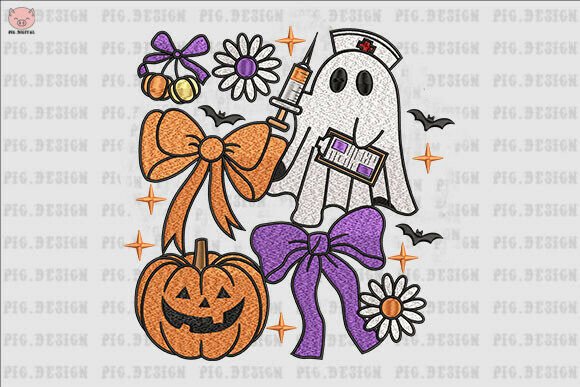
The initial visual impact of the Halloween Nurse Embroidery is charming rather than terrifying. In the crowded market of holiday motifs, finding a balance between spooky and cute is essential for broad consumer appeal. This design leans into the playful side of the season. The silhouette is clean, avoiding excessive micro-details that often cause thread breaks or bird-nesting during high-speed stitching. For a designer, this suggests a thoughtful digitization process that prioritizes stitch flow over unnecessary complexity.
The mood created is nostalgic and whimsical. It evokes memories of vintage Halloween costumes and classic horror tropes without being graphic. This makes it highly versatile. It does not scream "children only," nor does it feel too mature for family-oriented decor. The layout appears balanced, with a central focal point that draws the eye immediately. When I visualize this stitched out, I see clear definition in the key elements, which is crucial for maintaining clarity on textured fabrics.
Real-World Application: The Tote Bag Test
To truly understand how an embroidery file performs, you must imagine it on a physical product. I pictured this design applied to a heavy-duty cotton canvas tote bag, a popular item for autumn farmers' markets and trick-or-treat runs. The sturdy nature of canvas provides an excellent base for the fill stitch areas likely present in the nurse’s uniform or cap. On such a surface, the design would stand out boldly against neutral tones like cream, olive green, or charcoal gray.
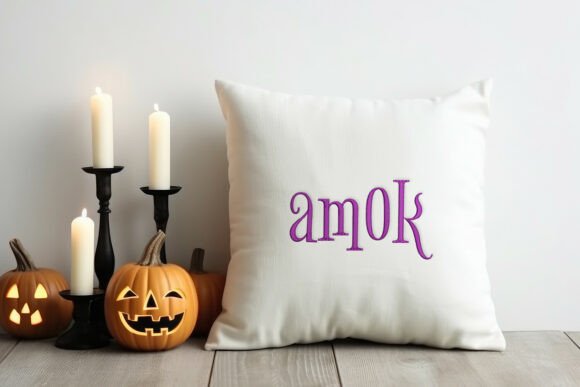
However, placement is key. On a tote, centering the design ensures it remains visible when the bag is hanging. If I were producing this as a small shop product, I would consider offering it as part of a matching set with a kitchen towel or apron. The thematic consistency helps build a cohesive brand identity for an Etsy seller or boutique owner. The design’s simplicity allows it to scale well, meaning it could work on a smaller item like a coin purse or a larger piece like a pillow cover without losing its integrity.
Apparel and Wearable Projects
Moving beyond home décor, let us consider custom apparel. A heather gray sweatshirt is the perfect canvas for this motif. The soft texture of fleece or French terry requires careful attention to stabilizer choice, but the result is a cozy, high-value item. The Halloween Nurse Embroidery would sit nicely on the left chest for a subtle look or centered on the back for a statement piece. For baby embroidery, such as a onesie or bib, the design must be checked for scratchy satin borders. If the digitizing uses soft edges or proper underlay, it remains comfortable against sensitive skin.
For embroidered patch creation, this design is ideal. Patches allow customers to apply the motif to jackets, hats, or bags they already own. Using a tear-away backing and dense zigzag borders can create a durable patch that withstands frequent washing. This expands the product line without requiring inventory of finished garments.
Technical Considerations and Fabric Constraints
While the design is promising, practical experience dictates caution in certain areas. Not every fabric behaves the same way. Here are specific scenarios where the Halloween Nurse Embroidery requires careful handling:
- Stretchy Fabrics: If applying this to a t-shirt or knit hat, a cut-away stabilizer is non-negotiable. Without it, the stitches may pucker the fabric over time, distorting the nurse’s features.
- Dark Fabrics: Thread color contrast is vital. If stitching on black or navy, ensure the design includes light-colored threads for highlights. Otherwise, details may get lost in the shadows. Always test a sample on scrap fabric first.
- Small Hoop Sizes: If the design is large, it may not fit in a 4x4 inch hoop. Check the dimensions before purchasing. If resizing is necessary, do so cautiously to avoid altering the stitch density, which can lead to thread breaks or fabric perforation.
- Textured Materials: On towels or corduroy, fine details might sink into the pile. Using a water-soluble topping can help keep the stitches on the surface, ensuring crisp lines.
It is also important to inspect the transition between satin stitch and running stitch areas. Poor transitions can create loose threads that snag easily. A well-digitized file will have clean jump stitches and secure tie-offs. Since the product description mentions high quality, one hopes these technical aspects have been addressed, but verification through a test stitch is always recommended.
Commercial Viability and Brand Value
For commercial embroidery professionals and craft business owners, the value of a design lies in its sellability. The Halloween Nurse Embroidery taps into a seasonal niche that sees a spike in demand every October. However, its cute aesthetic allows it to transcend the single-day holiday, appealing to nurses and healthcare workers year-round who appreciate medical-themed humor. This dual appeal increases the lifespan of the digital embroidery file in your library.
When creating printable mockups for online listings, ensure the lighting highlights the texture of the threads. Customers buying handmade products want to see the quality of the stitch work. Clear photos of the finished product build trust and reduce return rates. Additionally, using consistent thread colors across your product line helps establish brand recognition. If your shop specializes in pastel holidays, adapt the palette accordingly. If you focus on bold, traditional colors, stick to reds, blacks, and whites.
Final Designer Notes
Before committing to a large production run or listing the item for sale, take these practical steps:
- Verify Licensing: Confirm whether the file allows for commercial use of finished items. Most designers permit selling physical goods but restrict reselling the digital file itself.
- Check File Formats: Ensure the download includes formats compatible with your machine (e.g., PES, DST, JEF). The product description should list these; if not, contact the seller.
- Test Stitch Density: Run the design on a similar fabric to your final product. Look for any areas where the fabric pulls or puckers.
- Evaluate Detail Clarity: Inspect small elements like eyes or badges. If they appear blobby, adjust tension or change needle size.
In conclusion, the Halloween Nurse Embroidery presents a strong opportunity for creators looking to add seasonal flair to their offerings. Its balanced design, potential for versatility across various design assets, and broad appeal make it a worthy addition to a professional digitizer’s toolkit. By respecting the technical limitations of different fabrics and prioritizing quality control, you can transform this digital file into a beloved personalized gift or best-selling handmade product. Remember, the difference between a good design and a great product lies in the execution.