Review: Teddy Bear Train Embroidery Design for Real Projects
As a designer who has spent countless hours digitizing and stitching out thousands of files, I approach every new machine embroidery design with a mix of curiosity and skepticism. We have all been there: you download a cute file, load it onto your machine, and hope for the best, only to find puckered fabric or lost details. Today, I am putting the Teddy Bear Train Embroidery Design under the microscope. This is not just about whether it looks cute on a screen; it is about how it performs when needle meets fabric in a real-world production environment.
First Impressions and Visual Personality
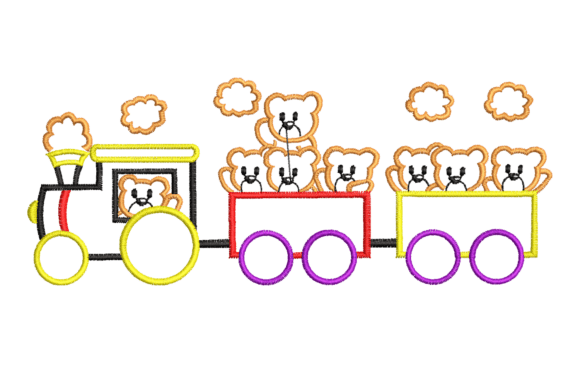
The first thing that strikes me about this design is its inherent charm. It captures a playful mood that is essential for children’s items. The layout features a whimsical train composed of teddy bears, which is a clever twist on traditional transportation motifs. From a design perspective, the silhouette is balanced. It does not feel top-heavy or awkwardly stretched, which is often a problem with horizontal designs intended for chest placements.
The visual personality here is soft and inviting. It avoids the harsh, overly geometric lines that can make embroidery look industrial rather than handmade. Instead, it leans into rounded shapes and friendly expressions. For an Etsy seller or a boutique owner, this aesthetic translates directly to perceived value. Customers are drawn to designs that evoke nostalgia and joy, and this piece delivers that emotional hook immediately.
Real-World Application: The Tote Bag Test
To truly evaluate the Teddy Bear Train Embroidery Design, I imagined a specific client project: a custom organic cotton tote bag for a baby shower gift. This is a common request for small shop owners. The challenge with tote bags is the fabric texture. Canvas can be coarse, and if the stitch density is too low, the background fabric shows through, ruining the clarity of the image.
In this scenario, the design’s structure holds up well. The train cars provide natural blocks of color that allow for solid fill stitch areas, while the bears’ faces require more delicate handling. If I were stitching this for a personalized gift, I would pay close attention to the eyes and noses of the bears. These small details define the character. If they merge into a blob of black thread, the design loses its appeal. My advice is to test this on a scrap piece of your actual tote material first. Use a cut-away stabilizer to ensure the weight of the embroidery does not distort the bag’s shape over time.
Versatility Across Product Lines
Beyond tote bags, this design is versatile enough for various custom apparel and home decor items. Here is where it shines:
- Baby Clothes: Perfect for onesies or bibs. The playful theme aligns perfectly with infant aesthetics.
- Sweatshirt Embroidery: Works well on the left chest or as a larger back print. The horizontal nature of the train fits the torso width nicely.
- Nursery Decor: Imagine this stitched onto a pillow cover or a wall hanging. It adds a focal point without being overwhelming.
- Embroidered Patch: If you digitize or adjust the borders correctly, this could make a fantastic iron-on patch for jackets or backpacks.
However, versatility does not mean universal compatibility. You must consider the hoop size required. While the description suggests it is suitable for various items, you need to confirm the exact dimensions before purchasing. A design that is too large for a 4x4 hoop will limit your ability to place it on smaller items like caps or baby socks.
Technical Considerations for Stitching Success
Let us talk about the technical side, because this is where projects succeed or fail. When working with a complex scene like a train made of bears, thread colors are critical. You want enough contrast between the train cars and the bears to define the shapes, but not so many colors that you spend hours on thread changes. Check the digital embroidery file preview to see the color breakdown. If it uses ten different shades of brown, you might want to simplify it for production efficiency.
Another key factor is stitch density. If the design is too dense, it will cause puckering, especially on stretchy fabrics like jersey knits used for t-shirts. If it is too light, it will look sparse. For a craft business, consistency is key. You do not want one shirt looking perfect and the next looking sloppy due to tension issues caused by poor digitizing. Always run a test stitch on similar fabric to check for pulls or gaps.
Be cautious with textured fabrics. If you are stitching on a fluffy minky blanket or a thick towel, the small details of the bears’ faces might get lost. In these cases, consider using an applique technique if the file supports it, or choose a simpler version of the design. For dark fabrics, ensure you use high-quality rayon or polyester threads that have a slight sheen to make the colors pop against the background.
Commercial Viability and Brand Consistency
For those running a small shop product line, the Teddy Bear Train Embroidery Design offers strong commercial potential. It fits seamlessly into categories like holiday embroidery for Christmas gifts or general baby shower merchandise. The "cute" factor drives impulse buys, which is crucial for online sales.
However, brand consistency matters. If your brand is known for minimalist, modern designs, this playful, detailed motif might clash. But if your audience expects warmth, tradition, and handcrafted charm, this design reinforces your brand identity. It signals quality and attention to detail, which builds customer trust.
Before selling any finished product featuring this design, you must verify the license. Most digital designers offer different licenses for personal use versus commercial use. Ensure you have the right to sell items made with this embroidery file. Nothing damages a reputation faster than copyright infringement. Also, check if the file includes multiple formats (PES, DST, JEF, etc.) to ensure compatibility with your specific machine brand.
Final Verdict
The Teddy Bear Train Embroidery Design is a solid addition to any designer’s library, particularly for those focusing on children’s markets. It balances visual appeal with practical stitchability, provided you respect the technical requirements of your fabric and machine. It is not just a pretty picture; it is a functional asset for creating memorable handmade products.
Remember to test on scraps, choose your stabilizer wisely, and verify your licensing. When executed with care, this design can elevate a simple tote or onesie into a cherished keepsake. For makers who value both creativity and professionalism, this is a design worth considering for your next embroidery project.