Review: Spring Floral Mandala Embroidery Design
As a designer who has spent countless hours digitizing and stitching out patterns for clients, I approach every new machine embroidery design with a mix of curiosity and skepticism. We have all been there: downloading a file that looks stunning in the preview thumbnail but turns into a tangled mess of thread breaks and puckering on the actual fabric. That is why I took a close look at the Spring-themed Floral Mandala. Embroidery design to see if it holds up under the pressure of real-world production.
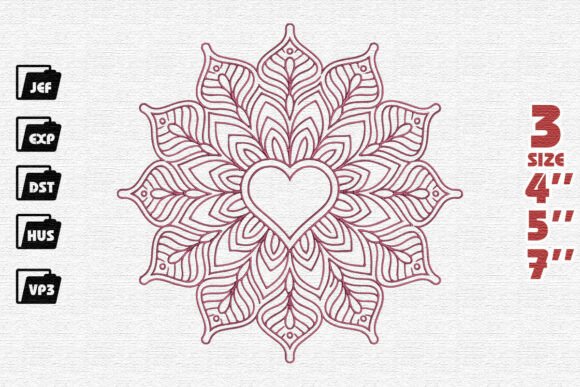
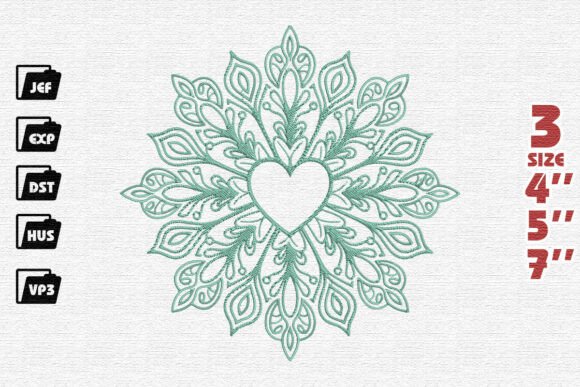
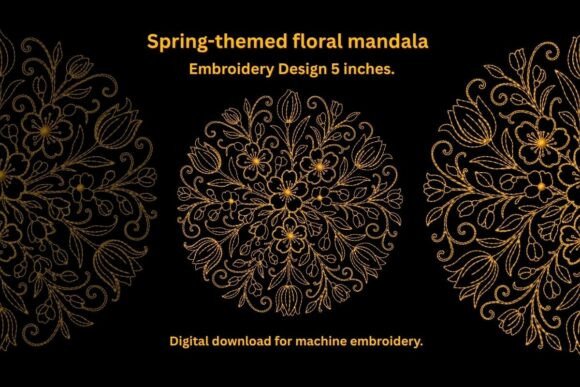
The first impression of this piece is its balanced elegance. Unlike some mandalas that rely on rigid geometric symmetry, this design incorporates organic, flowing elements. The tulip-inspired blossoms and swirling vines create a soft, luxurious mood that feels distinctly seasonal yet timeless. For an embroidery project aiming to capture the freshness of spring without being overly literal, this layout hits the right note. It does not scream "holiday" so loudly that it becomes obsolete by June, which is a crucial consideration for any Etsy seller or small shop product creator looking for year-round appeal.
Real-World Application and Versatility
To truly evaluate a design, you must imagine it on a finished item. I visualized this Spring-themed Floral Mandala. Embroidery on a high-quality canvas tote bag. The five-inch diameter is substantial enough to be a focal point but not so large that it overwhelms the bag’s structure. On a neutral beige or crisp white cotton, the layered petals would pop, offering a sophisticated look that appeals to buyers seeking artisanal quality rather than mass-produced goods.
Beyond totes, this design shines in custom apparel. Imagine it stitched onto the left chest of a lightweight linen shirt or centered on the back of a fitted sweatshirt. The swirling vines provide movement that complements the drape of fabric. For baby embroidery, this could work beautifully on a muslin swaddle or a nursery pillow cover, provided the stitch density is appropriate for delicate skin. The gentle curves avoid the harsh angles that sometimes feel too aggressive for infant items.
For those running a craft business, versatility is key. This design transitions well from home decor to wearable art. It could serve as a standout element on a kitchen towel, adding a touch of luxury to everyday items, or as a decorative patch on a denim jacket. The key is recognizing that this is not just a pretty picture; it is a functional design asset that can elevate the perceived value of your handmade product.
Technical Performance and Stitching Clarity
When examining the details, the interplay between different stitch types becomes apparent. A successful mandala relies on clear definition between its layers. In this design, the tulip blossoms likely utilize a combination of satin stitch for the petal edges and fill stitch for the body, creating depth and texture. The swirling vines probably employ a finer running stitch or narrow satin to maintain delicacy without adding bulk.
However, complexity brings challenges. The "layered petals" mentioned in the description suggest overlapping elements. In embroidery, this can lead to high stitch density in the center of the mandala. If the digitizer did not account for proper pull compensation or underlay, the center could become stiff or pucker the fabric. This is where practical judgment comes in. Before committing to a final finished product, you must test the design on scrap fabric similar to your final material.
Visual appeal is directly tied to stitching clarity. If the threads blend together due to poor contrast or excessive density, the intricate details vanish. I recommend testing this embroidery file with high-contrast thread colors first. Try a dark thread on light fabric to see if the fine lines of the vines hold their shape. Then, reverse it. This helps you understand how the design behaves under different lighting conditions and how it will appear in printable mockup images for your online store.
Material Considerations and Fabric Texture
The success of this Spring-themed Floral Mandala. Embroidery depends heavily on the substrate. On stable, woven fabrics like cotton twill, linen, or denim, it should perform admirably. These materials provide the necessary support for the stitches to sit flat and true. However, caution is advised when working with textured fabrics or stretchy knits.
If you plan to use this on a t-shirt or a cap, the curvature and stretch of the fabric can distort the circular symmetry of the mandala. A distorted circle looks amateurish and can undermine customer trust. For curved surfaces like caps, ensure you are using the correct hoop size and a sturdy cut-away stabilizer to prevent shifting. On thin or slippery fabrics, such as silk or rayon, the dense areas of the design might cause gathering. In these cases, a water-soluble topping can help keep the stitches on the surface and maintain the crispness of the floral details.
Dark fabrics present another challenge. While the design is beautiful, lighter thread colors on dark fabric may require additional underlay stitches to prevent the background from showing through. This can increase the overall stitch count and thickness. Always check whether the design works for both light and dark backgrounds before listing it as a universal option in your digital embroidery file catalog.
Commercial Viability and Brand Consistency
For commercial embroidery professionals and boutique owners, consistency is everything. This design offers a cohesive aesthetic that can help build brand recognition. If your shop specializes in botanical or feminine themes, this mandala fits seamlessly into that narrative. It enhances the giftability of items, making them attractive for wedding gifts, holiday presents, or personalized keepsakes.
Buyer engagement often hinges on the perceived effort and quality of the item. A well-executed mandala suggests craftsmanship and attention to detail. When customers see clean lines and balanced proportions, they associate those qualities with your brand. This builds loyalty and encourages repeat purchases. However, this only works if the execution is flawless. A poorly stitched mandala looks messy and can damage your reputation.
Before selling items made with this design, confirm the licensing terms. Some digital embroidery file creators allow unlimited commercial use, while others restrict it or require attribution. Never assume. Check the documentation provided with the download. If you are creating applique design variations or modifying the file, ensure your changes comply with the creator’s policies.
Final Designer Notes
To get the best results from the Spring-themed Floral Mandala. Embroidery, follow these practical steps:
- Test on scraps: Always stitch out a sample on the exact fabric and stabilizer combination you plan to use for the final product.
- Check thread contrast: Ensure your thread colors provide enough distinction between the vines and blossoms to maintain visual clarity.
- Monitor density: Feel the back of the stitched sample. If it is overly stiff or board-like, consider adjusting the tension or using a lighter weight stabilizer.
- Verify hoop compatibility: Confirm that the five-inch design fits comfortably within your machine’s hoop, leaving enough margin for secure clamping.
- Inspect small details: Look closely at the tips of the petals and ends of the vines. They should be sharp and secure, not frayed or loose.
In conclusion, this design offers a strong foundation for a variety of projects. It balances artistic flair with structural integrity, making it a valuable addition to any designer’s library. By approaching it with careful preparation and realistic expectations, you can create stunning pieces that resonate with customers and stand the test of time.