Retro Layered Heart Embroidery Design Review
As an embroidery designer who has spent years digitizing for small boutiques and high-volume apparel decorators, I approach every new machine embroidery design with a critical eye. It is not just about whether the file runs; it is about how the final stitched product feels in the hand and looks on the shelf. Recently, I had the opportunity to test the Retro Layered Heart Embroidery Design for a limited-edition sweatshirt drop for a client’s online shop. This review breaks down why this specific asset stands out in the crowded market of Valentine S Day themed graphics and how it performs on real-world garments.
First Impressions and Aesthetic Appeal
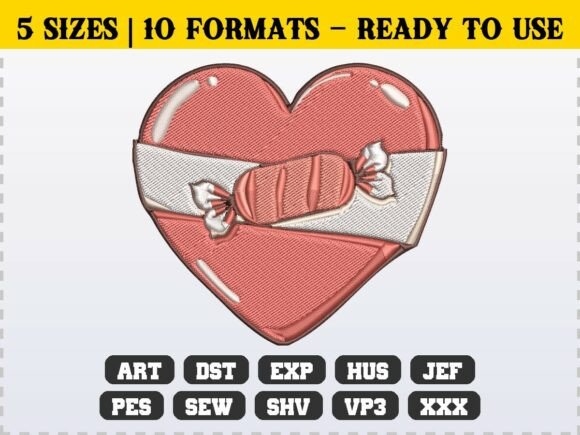
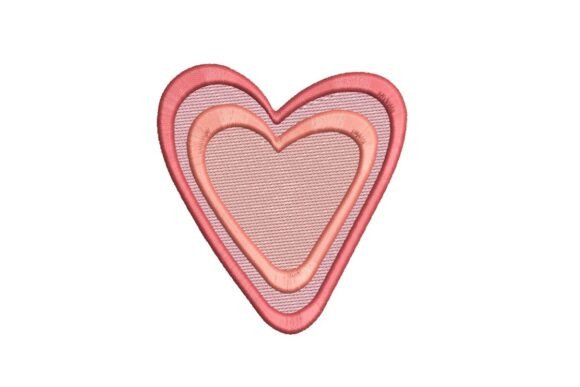
The moment I loaded the preview, the retro vibe was unmistakable. This is not your standard, flat vector heart. The Retro Layered Heart Embroidery Design features a layered heart on a white background, showcasing three concentric hearts in warm shades that create a compelling tunnel-like effect. For a boutique brand looking to move away from cliché red-and-pink overload, this design offers a sophisticated alternative. The outer heart uses a technique that suggests depth, making the motif feel dimensional even before the needle hits the fabric.
The mood here is playful yet refined. It strikes a balance between cute and bold, avoiding the trap of looking too juvenile for adult apparel. When I envision this as a finished product, I see it working beautifully for customers who want something decorative but minimal enough to wear daily. It feels feminine without being overly frilly, and rustic enough to pair well with the cozy texture of heavy cotton blends.
Performance on Sweatshirts and Hoodies
The primary test for any embroidery file intended for apparel is how it interacts with thick, textured fabrics. I ran tests on neutral cream sweatshirts, deep charcoal hoodies, and soft pastel oversized fits. On neutral sweatshirts, the warm shades of the concentric hearts popped gently, creating a vintage-inspired look that appeals to the current trend of nostalgic fashion. On dark fabric, the design required careful thread selection to ensure visibility, but the layered structure held up well, preventing the motif from getting lost in the pile of the fleece.
For sweatshirt embroidery, placement is key. I found that a left-chest placement worked best for a subtle, premium feel. However, scaling it up for a central back design on an oversized hoodie created a striking statement piece. The tunnel-like effect draws the eye inward, which is a clever visual trick that adds perceived value to the garment. If you are an Etsy seller or run a small shop product line, this versatility allows you to offer multiple SKU variations from a single digital embroidery file.
Technical Considerations for Production
From a technical standpoint, there are several factors to consider before committing to a full production run. While the provided description highlights the visual layers, it does not specify the exact stitch count or recommended hoop size. As a professional, I always advise checking these details in the actual file metadata before hooping. High stitch density can cause puckering on thinner fabrics, while low density might look sparse on heavy fleece.
- Fabric Texture: Ensure your stabilizer choice matches the weight of your garment. For heavy hoodies, a cut-away stabilizer is often necessary to support the weight of the three concentric layers.
- Thread Colors: The design relies on warm shades. Test your thread chart against your fabric swatches. On pastel colors, you may need to adjust the outer heart’s color to maintain contrast.
- Small-Size Readability: If you plan to use this as a sleeve accent or on smaller items like baby onesies, verify that the innermost heart remains distinct. Complex layered designs can sometimes merge if scaled down too aggressively.
- Washing Durability: Commercial apparel must withstand repeated washing. The layered structure should be checked for pull-outs after the first wash cycle to ensure long-term quality.
Enhancing Brand Identity and Value
In the world of custom apparel, the right design asset can elevate a basic blank into a coveted item. The Retro Layered Heart Embroidery Design contributes to brand identity by offering a unique visual signature. Unlike generic clipart, this design has a specific personality—retro, warm, and inviting. When used consistently across a collection, it helps build visual recognition among your customer base.
For handmade business owners, the perceived value of embroidery is higher than printed graphics. The tactile nature of the stitches adds a luxury feel that justifies a higher price point. When you pair this design with high-quality blanks and present it through professional printable mockup previews or lifestyle product photography, you signal to buyers that this is a premium handmade product. This builds buyer trust and encourages customer engagement, as shoppers are more likely to share photos of unique, textured designs on social media.
Ideal Use Cases for Creative Entrepreneurs
This design is not limited to just Valentine S Day collections, although it fits perfectly within that category. Its retro aesthetic makes it suitable for year-round sales, especially for brands focusing on cozy, comfort-driven apparel. Here are a few ways creative entrepreneurs can leverage this design assets package:
- Boutique Merchandise: Use it on tote bags or beanies for add-on sales at checkout.
- Custom Apparel Branding: Incorporate it into limited drops to create urgency and exclusivity.
- Gift Items: Scale it for smaller hoops to create embroidered patches or coaster sets.
- Seasonal Promotions: Market it as a "Galentine's" or self-love theme to broaden its appeal beyond traditional romantic holidays.
Ultimately, the Retro Layered Heart Embroidery Design is a strong contender for any designer’s library. It offers the flexibility needed for various garment types while maintaining a distinct style that stands out in a saturated market. Just remember to validate the technical specifications like hoop size and stitch density for your specific machine setup. With the right preparation, this design can become a staple in your commercial embroidery portfolio, driving sales and enhancing the perceived quality of your brand.