Red Teacup Embroidery Design: A Designer’s Review
As an embroidery designer who spends countless hours digitizing and testing files, I have developed a keen eye for what makes a machine embroidery design truly viable for commercial use. It is not just about the visual appeal on a screen; it is about how the file behaves under the needle, how it translates to fabric, and whether it adds genuine value to a handmade product. Recently, I evaluated the Red Teacup Embroidery Design available on Creative Fabrica, specifically looking at its potential for real-world projects ranging from kitchen textiles to custom apparel.
First Impressions and Visual Appeal
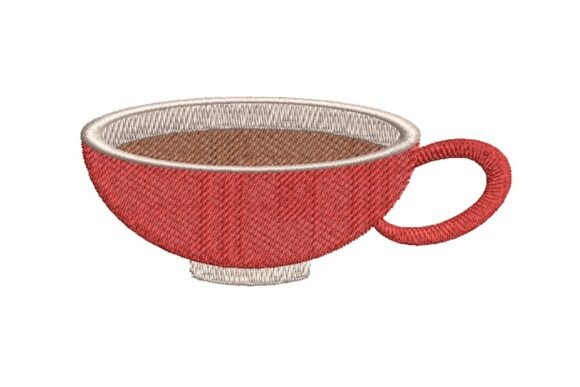
The initial visual impact of this design is warm and inviting. The image showcases a machine embroidery design of a wide, red teacup or mug, featuring a matching red handle, a white rim, and a white base. It is filled with a brown liquid, representing tea. This simple yet classic imagery taps into the cozy aesthetic that remains perennially popular in the home decor and gift markets. For those of us creating items for Etsy shops or craft fairs, the "cozy" factor is a significant selling point.
The color palette is straightforward but effective. The contrast between the bold red cup and the crisp white rim suggests a clean, modern look that can fit into various branding styles. However, as designers, we know that screen colors do not always translate perfectly to thread. The success of this embroidery file will depend heavily on your choice of thread colors. Using a high-sheen rayon or polyester thread for the red body can give the cup a glossy, ceramic-like appearance, while a matte cotton thread might better suit a rustic, farmhouse-style project.
Performance in Real Embroidery Projects
When considering a new asset for my library, I ask myself where this design will perform best. The Red Teacup Embroidery Design is versatile, but it shines brightest on flat, stable surfaces. Here is how I envision it working across different product categories:
- Kitchen Textiles: This is the most natural fit. Embroidering this design onto flour sack towels, aprons, or pot holders creates an immediate thematic connection. The tea motif complements the function of the item, making it an attractive personalized gift for housewarmings or holidays.
- Tote Bags and Canvas Items: A sturdy canvas tote bag provides an excellent backdrop for the solid fill areas of the cup. The design acts as a focal point without overwhelming the fabric. It pairs well with simple text additions, such as "Tea Time" or a customer’s name, turning a basic bag into a boutique item.
- Sweatshirts and Apparel: For custom apparel, placement is key. This design would work well on the left chest of a crewneck sweatshirt or centered on a t-shirt. However, one must be cautious with the stitch density on stretchy fabrics. If the design uses heavy fill stitch areas for the brown liquid or red cup, it may cause puckering if not properly stabilized.
- Patches and Appliques: If the file supports it, converting or using this as an applique design could reduce stitch count and add texture. A fabric applique for the cup body with satin stitch borders would be durable and visually interesting for caps or backpacks.
Technical Considerations for Stitching
Before running a full production batch, any professional embroiderer knows the importance of technical due diligence. Since specific technical data like stitch count and exact hoop size requirements are not detailed in the brief description, I strongly advise checking the product details on the Creative Fabrica page before purchase. Here are the critical factors I evaluate during a test run:
Stitch Density and Fabric Choice: The description mentions a wide cup with solid color blocks. Solid areas often require careful management of stitch density to prevent thread breaks or fabric distortion. When stitching on dark fabric, you may need to adjust underlay stitches to ensure the red and white threads pop. Conversely, on light fabric, ensure the brown liquid area does not show gaps.
Stabilizer Selection: For a design with distinct shapes like a handle and rim, using the correct stabilizer is non-negotiable. I recommend a medium-weight cut-away stabilizer for garments that will be washed frequently, as it provides lasting support. For kitchen towels, a tear-away might suffice, but test first to ensure the edges of the white rim remain crisp and do not pull into the fabric.
Hoop Size and Placement: Confirm the required hoop size fits your machine. If the design is large, it may require a 5x7 or larger hoop. For smaller items like baby bibs or pocket squares, ensure the design scales down without losing detail. Tiny details, such as the junction where the handle meets the cup, can become muddy if the design is resized too small.
Enhancing Product Value and Brand Consistency
Incorporating the Red Teacup Embroidery Design into your product line can significantly enhance perceived value. Customers often associate intricate embroidery with higher quality compared to printed graphics. This digital embroidery file allows for consistent branding across multiple products. For example, you can create a cohesive collection featuring tea towels, mugs (with embroidered sleeves), and aprons, all utilizing the same design motif.
Furthermore, this design lends itself well to printable mockups and marketing materials. Before even stitching a single thread, you can use digital assets to visualize how the red cup looks on different colored backgrounds. This helps in planning your inventory and creating compelling social media content that drives engagement. A well-executed embroidered piece photographs beautifully, highlighting the texture of the satin stitch and running stitch elements, which can boost buyer trust and conversion rates on platforms like Etsy.
Final Verdict and Practical Tips
The Red Teacup Embroidery Design is a charming addition to any Creative Fabrica embroidery collection, particularly for designers focusing on home goods and cozy apparel. Its strength lies in its simplicity and universal appeal. However, its success depends on your technical execution.
- Test on Scrap Fabric: Always stitch a sample on the same type of fabric you intend to sell. Check for puckering, thread breaks, and color accuracy.
- Review Licensing: Before selling finished products, confirm the license terms on the product page. Most Creative Fabrica designs allow for commercial use of physical items, but it is essential to verify this to protect your business.
- Inspect Details: After stitching, inspect the small details. Ensure the white rim is clean and the brown liquid area is dense enough to cover the fabric completely.
- Consider Seasonality: While tea is year-round, this design may see spikes in interest during autumn and winter. Plan your production and marketing accordingly.
In conclusion, if you are looking for a reliable, aesthetically pleasing design that fits well into the handmade gift market, this teacup motif is worth considering. Just remember that the magic happens not just in the download, but in the careful stitching, proper stabilization, and thoughtful presentation of the final commercial embroidery product. By paying attention to these details, you can transform a simple digital file into a cherished item for your customers.