God is Good Bow Embroidery Design Review
As an embroidery designer who has spent years digitizing files and consulting with small business owners, I approach every new machine embroidery design with a critical eye. It is not enough for a file to look cute on a screen; it must perform under the needle, withstand washing, and elevate the brand it represents. Today, I am reviewing the God is Good Bow Embroidery Design, a piece that sits at the intersection of faith-based messaging and whimsical aesthetics. For boutique owners, Etsy sellers, and apparel decorators, understanding how this design translates from a digital embroidery file to a tangible asset is crucial for maximizing its commercial potential.
First Impressions and Visual Personality
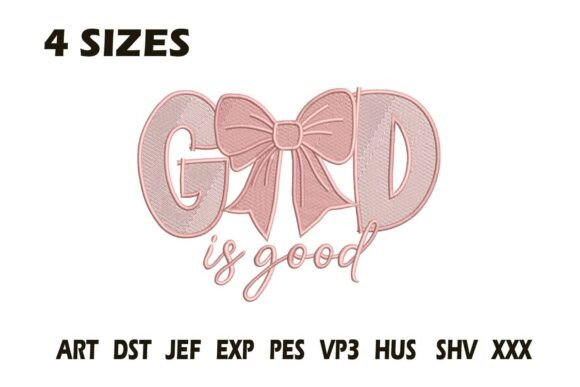
The immediate impression of the God is Good Bow Embroidery Design is one of approachable charm. The description promises a "playful" touch, and visually, the design delivers on this by combining a clear, affirmative statement with a soft, decorative element. In the world of Religion-themed merchandise, designs can often feel heavy or overly traditional. This design, however, leans into a modern, friendly aesthetic. It feels handmade yet polished, making it an excellent candidate for brands that want to project warmth and authenticity.
For a creative studio, bakery, or florist looking to add a personal touch to their staff uniforms or customer gifts, this design strikes a balance between professional and personable. It does not scream for attention with aggressive boldness but rather invites engagement through its whimsical nature. This subtle elegance is vital for businesses that rely on customer trust and community connection.
Real-World Business Applications
When evaluating a design for small business merch, I always ask: where does this live best? The God is Good Bow Embroidery Design is versatile, but its success depends on strategic placement. Here is how I envision this design performing in various commercial contexts:
- Embroidered Patches: This is perhaps the strongest application. A patch allows for controlled hoop size and stabilizer use, ensuring the bow retains its shape. It can be sewn onto denim jackets, canvas tote bags, or even used as a branded label on handmade products.
- Apron Embroidery: For cafes and bakeries, an apron serves as a walking billboard. Placing this design on the chest or pocket area adds a layer of personality to staff uniforms without overwhelming the professional look.
- Cap Embroidery: While possible, cap fronts are curved and unforgiving. If using this design on hats, ensure the bow element is not too wide, as distortion can occur on the stiff front panel.
- Tote Bag Design: Canvas bags provide a stable, flat surface ideal for this type of Embroidery. The contrast of thread against natural cotton creates a rustic, premium feel that appeals to eco-conscious consumers.
- Customer Gifts: Small items like tea towels or baby bibs benefit from the "fun, whimsical touch" mentioned in the product description. These items serve as high-touch marketing tools that keep your brand in the customer’s home.
Technical Considerations for Production
Before running a full production batch, any experienced decorator knows the importance of technical due diligence. The product description notes suitability for t-shirts, towels, and home decor, but it does not specify exact stitch count, file formats, or recommended hoop sizes. Therefore, you must verify these details before purchase. Here are my practical notes for testing this design:
- Test in Black and White: Before committing to specific thread colors, stitch out the design in monochrome. This helps you evaluate the stitch density and spacing without the distraction of color. It reveals if the bow’s loops are distinct or if they merge into a blob.
- Check Small Patch Viability: If you plan to use this as a small logo accent, reduce the size in your software and check for readability. Fine details in the bow may require higher resolution digitizing to prevent thread breaks or puckering.
- Fabric and Stabilizer Match: Textured fabrics like terry cloth towels can swallow small stitches. Use a cut-away stabilizer for stretchy fabrics like t-shirts to maintain the integrity of the finished product. For woven materials like aprons, a tear-away may suffice, but always test first.
- Thread Color Contrast: Ensure your thread choices stand out against the garment. A pastel bow on a white shirt may vanish, while a bold color on a dark uniform creates strong visual impact. Consistency in thread colors across your product line reinforces brand identity.
Brand Identity and Customer Trust
Incorporating the God is Good Bow Embroidery Design into your product line is not just about decoration; it is a strategic branding decision. For faith-based businesses or those targeting a demographic that values spiritual positivity, this design acts as a signal of shared values. It enhances brand identity by communicating warmth, care, and tradition.
When customers see consistent, high-quality embroidery on your custom apparel or accessories, it builds trust. It suggests that you care about the details, which translates to perceived value. A well-executed embroidered patch on a tote bag feels more premium than a printed graphic. This perception allows for higher price points and increased buyer engagement. Furthermore, using such designs in your design assets and printable mockup portfolios can attract clients looking for similar aesthetic qualities, expanding your service offerings.
Where to Use Caution
While versatile, this design is not universal. Avoid using it on items that undergo industrial laundering with harsh chemicals unless you have tested for colorfastness and stitch durability. Be cautious with very small sizes where the text "God is Good" might become illegible. Additionally, if your brand identity is strictly minimalist or corporate, this whimsical style may clash with your existing visual consistency. Always compare the design beside your other assets to ensure harmony.
Final Verdict for Commercial Use
The God is Good Bow Embroidery Design is a strong contender for small businesses looking to add a touch of personality and faith to their merchandise. It excels in applications like patches, aprons, and tote bags where its playful nature can shine without compromising professionalism. However, success relies on proper technical execution. Verify the hoop size compatibility, choose the right stabilizer, and confirm commercial licensing rights before integrating it into your commercial embroidery workflow. By treating this file as a key component of your brand strategy rather than just a decorative element, you can create meaningful, high-value products that resonate with your audience.