Cute Thanksgiving Turkey Embroidery Design Review
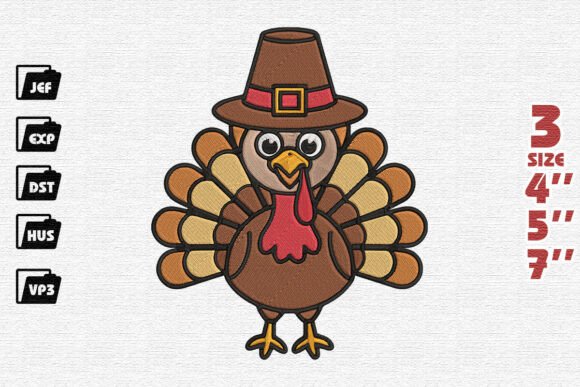
As an embroidery designer who has spent countless weekends behind a craft fair booth, I know that the difference between a browsing customer and a buying customer often comes down to split-second visual appeal. When I first loaded the Cute Thanksgiving Turkey Embroidery Design into my digitizing software, my immediate reaction was one of relief mixed with excitement. In a market saturated with generic autumn leaves and standard pumpkins, this design offers a distinct personality. It is not just festive; it is character-driven. The friendly bird, dressed in a classic brown Pilgrim hat with big, cheerful eyes, creates an instant emotional connection. For us Etsy sellers and boutique makers, this kind of charm is currency.
First Impressions and Visual Appeal
The aesthetic of this machine embroidery design leans heavily into the "cute" and "whimsical" categories rather than traditional rustic or elegant farmhouse styles. This is a strategic advantage. While rustic designs blend into the background of many holiday displays, a cartoon-style turkey demands attention. It feels approachable and fun, which is crucial for a craft fair product where you are trying to stop foot traffic. The bold lines and clear shapes suggest that it will read well from a distance, a vital trait for any handmade product displayed on a busy table.
When evaluating the thread colors implied by the description, the contrast between the brown Pilgrim hat and the likely vibrant body of the turkey suggests a design that pops against neutral fabrics. This versatility allows it to work on everything from crisp white cotton to deep navy linens. However, the success of this visual appeal relies on execution. A design this cute can quickly look messy if the stitch density is too high or if the thread tension is off. It needs to look plush and inviting, not stiff and overworked.
Product Versatility for the Holiday Season
The true test of any digital embroidery file is its adaptability across different substrates. I mentally placed this turkey on various items I typically produce for the November rush. Here is how it performs:
- Tote Bag Design: This is arguably the strongest application. A large hoop placement on a canvas tote makes the turkey the focal point. It transforms a simple bag into a statement piece for grocery runs or gift carrying.
- Apron Embroidery: Placed on the bib or the pocket, the turkey adds a playful touch to kitchen wear. It appeals to hosts who want to show personality while cooking.
- Tea Towel Embroidery: This requires caution. Towels have a loose weave. If the design has tiny details, they may get lost. However, if the digitizing is clean, a small accent on the corner of a towel sells well as an add-on item.
- Embroidered Patch: Iron-on or sew-on patches are huge right now. This design’s clear outlines make it ideal for patch production, allowing customers to customize their own jackets or bags.
- Caps and Hats: Curved surfaces are tricky. The Pilgrim hat element must be digitized with pull compensation in mind to prevent distortion. If done correctly, it is a high-margin small shop product.
For those creating printable mockup assets for online listings, this design photographs beautifully. The cheerful expression translates well in flat-lay photos, helping to boost click-through rates for design assets and finished product listings alike.
Production Practicalities and Careful-Use Notes
While the design is charming, practical production issues must be addressed before you commit to batch production. As a designer, I always advise checking the specific technical details of the embroidery file before purchasing or stitching. Since the exact stitch count and format are not provided in the brief description, you must verify these yourself.
Pay close attention to stitch density. Dense areas in the turkey’s body or the Pilgrim hat can cause puckering, especially on lighter fabrics like tea towels or thin cotton shirts. Always use the appropriate stabilizer. For stretchy fabrics or textured materials like waffle-weave towels, a cut-away stabilizer might be necessary to maintain shape, whereas a tear-away works for stable woven cottons.
Another critical factor is hoop size. Ensure the design fits comfortably within your machine’s maximum hoop area with enough margin for clamping. If you plan to sell this as a commercial embroidery product, test it on the smallest intended size first. Tiny details, such as the eyes or the buckle on the hat, can merge if the design is scaled down too aggressively. Clarity is key; if the customer cannot identify the turkey at a glance, the design fails its primary purpose.
Strategic Selling Tips for Craft Fairs
To maximize sales, consider how this design fits into your broader brand consistency. If your booth is all about serious, heirloom-quality quilting, this cute turkey might feel out of place. However, if your brand embraces fun, accessible, and giftable items, it is a perfect fit. Use it to create impulse-buy items. Small pouches or coin purses with this turkey embroidered on them can serve as affordable entry points for customers who are hesitant to buy larger, more expensive items.
Photography plays a massive role here. When creating your Etsy seller listings or social media content, show the design in context. Show the turkey on a tote bag filled with autumn gourds, or on an apron worn by someone mixing pie dough. This storytelling helps buyers visualize the finished product in their own lives.
Final Designer Verdict
The Cute Thanksgiving Turkey Embroidery Design is a strong contender for the holiday season. Its strength lies in its emotional appeal and versatility. It is not just a decoration; it is a character that brings joy. For creative entrepreneurs and handmade shop owners, it offers a fresh alternative to standard fall motifs.
Before you launch your production run, follow these steps:
- Test the design on scrap fabric that matches your final product material.
- Check thread contrast to ensure the Pilgrim hat stands out from the body.
- Review spacing and confirm the hoop size requirements.
- Inspect stitch density to prevent puckering on delicate fabrics.
- Create at least one real mockup to photograph for your marketing materials.
- Confirm commercial licensing terms if you are selling the finished product rather than just using it for personal gifts.
By treating this design with the technical respect it deserves, you can turn a simple machine embroidery design into a best-selling staple of your holiday collection. It is cheerful, practical, and undeniably cute—exactly what shoppers are looking for to celebrate the season.