Anatomical Brain Embroidery: A Designer’s Review
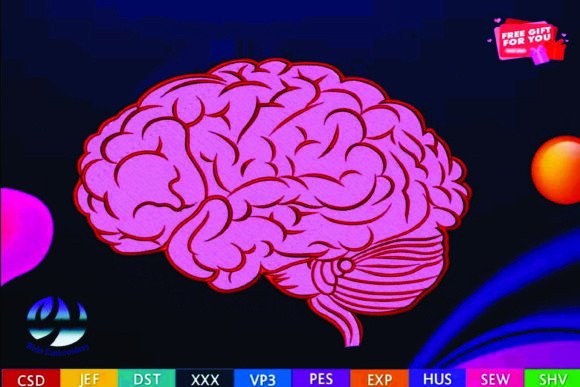
As an embroidery designer who has spent countless weekends behind a craft fair booth, I have learned that the difference between a browser and a buyer often comes down to visual impact and perceived quality. When I first pulled up the Anatomical Brain Machine Embroidery design, my immediate reaction was one of intrigue. This is not your typical floral or farmhouse motif. It is bold, intellectual, and undeniably modern. For sellers targeting a niche audience that values science, medicine, psychology, or quirky humor, this design offers a unique opportunity to stand out in a saturated market.
The product description notes that this is an applique design digitized in six sizes with instant download availability in ten formats. From a production standpoint, the inclusion of multiple sizes is critical. It allows us to adapt the same machine embroidery design for vastly different products, maximizing the return on our initial purchase. However, before we start stitching hundreds of units, we need to evaluate how this specific design performs in real-world scenarios.
First Impressions and Market Fit
The anatomical brain motif falls squarely into the "Inspirational" and educational categories, but it carries a decorative weight that feels premium rather than childish. It does not read as cute or rustic; instead, it feels clean, precise, and slightly edgy. This aesthetic is perfect for today’s consumer who appreciates minimalism mixed with scientific curiosity. When placed on a neutral background, the intricate lines of the brain structure draw the eye immediately. It suggests intelligence and creativity, making it an excellent choice for gifts aimed at students, teachers, doctors, therapists, and anyone proud of their mental acuity.
For an Etsy seller or boutique maker, this design solves a common problem: finding imagery that is both visually complex and emotionally resonant. It is not just a pretty picture; it is a conversation starter. In a busy craft fair aisle, a tote bag featuring this detailed brain embroidery will stop people in their tracks because it signals a specific identity. It tells the customer, "This is for someone who thinks deeply," which is a powerful selling point.
Versatility Across Product Lines
The true value of a digital embroidery file lies in its versatility. Because this design comes in six sizes, we can strategically place it across a wide range of handmade products. Here is how I envision this design performing on various items:
- Tote Bags and Market Bags: Using the largest size here creates a bold focal point. The applique technique mentioned in the description is ideal for canvas totes, as it reduces bulk while adding texture. A contrasting fabric for the applique piece against a natural cotton bag will make the design pop.
- Aprons and Kitchen Textiles: For tea towel embroidery or apron embroidery, the medium sizes work best. Placing the brain on the bib of an apron or the corner of a high-quality linen towel adds a whimsical yet sophisticated touch. It transforms a standard kitchen item into a giftable handmade product.
- Embroidered Patches and Caps: The smaller sizes are perfect for patches. An embroidered patch with this design can be ironed or sewn onto denim jackets, backpacks, or hats. However, when stitching on curved cap surfaces, careful hooping is essential to prevent distortion of the anatomical details.
- Pillow Covers and Home Decor: A large-scale version on a velvet or heavy cotton pillow cover creates a striking piece of modern home decor. It moves the design from wearable art to interior statement pieces.
Production Practicalities and Technical Notes
While the artistic potential is high, we must address the technical realities of producing this as a commercial embroidery product. The description states it is an applique design. Applique is generally faster and uses less thread than full-fill designs, which is great for batch production at a craft fair. However, there are caveats.
First, consider the stitch density and detail. Anatomical drawings rely on fine lines to define the gyri and sulci of the brain. If you choose to stitch this at the smallest provided size, those delicate details may merge or become indistinct, especially on textured fabrics like terry cloth towels. I strongly advise testing the smallest size on scrap fabric before committing to a production run. Check if the satin stitches holding the applique fabric down are tight enough to secure the edges without puckering the base material.
Second, fabric choice matters. This design will look sharpest on smooth, tightly woven fabrics like quilting cotton, canvas, or polished cotton. Avoid highly textured materials like chunky knits or rough burlap for the smaller sizes, as the needle may skip or the fine details may get lost in the weave. For dark fabrics, ensure you select high-contrast thread colors. A white or light gray applique fabric with dark outlining thread will ensure the design remains legible from a distance.
Third, stabilizer selection is non-negotiable. Given the precision required for an anatomical illustration, use a cut-away stabilizer for stretchy fabrics like t-shirts and a tear-away for stable wovens. This ensures the design retains its shape after washing, maintaining the finished product quality that customers expect.
Boosting Visual Appeal and Sales
How does this design affect your bottom line? Visually, it elevates the perceived value of the item. A plain tote bag might sell for $15, but one with a professionally executed, intricate brain applique can command $25 or more. It signals effort and design thinking. For your booth display, group items by color theme. Use muted, academic tones like navy, forest green, and charcoal for the base fabrics, with crisp white or cream for the applique. This creates a cohesive, curated look that appeals to buyers looking for quality over quantity.
Photography is also key. When creating listings for your online shop, use a printable mockup or stage real photos where the lighting highlights the texture of the applique fabric and the sheen of the embroidery thread. Close-up shots that show the precision of the stitching will build trust with remote buyers. Mentioning that the design is available in multiple formats reassures customers with different machine brands that compatibility is covered.
Final Designer Recommendations
Before you launch this as a core part of your inventory, take these practical steps. First, verify the commercial licensing terms included in the zip file. While most instant downloads allow for physical sales, always confirm there are no restrictions on mass production. Second, create a test stitch-out on every fabric type you plan to use. Compare the results side-by-side. Does the smallest size lose clarity? Does the largest size cause fabric distortion? Adjust your hoop size and stabilization accordingly.
The Anatomical Brain Machine Embroidery design is a strong contender for any maker looking to expand beyond traditional motifs. It is versatile, intellectually engaging, and technically manageable if approached with care. By leveraging the six available sizes and focusing on high-contrast, high-quality materials, you can create a line of products that not only looks professional but also resonates deeply with a specific, passionate audience. Whether for a weekend craft fair or an online storefront, this design has the potential to become a signature item in your small shop product lineup.